Prion: Disease and Non-disease Function
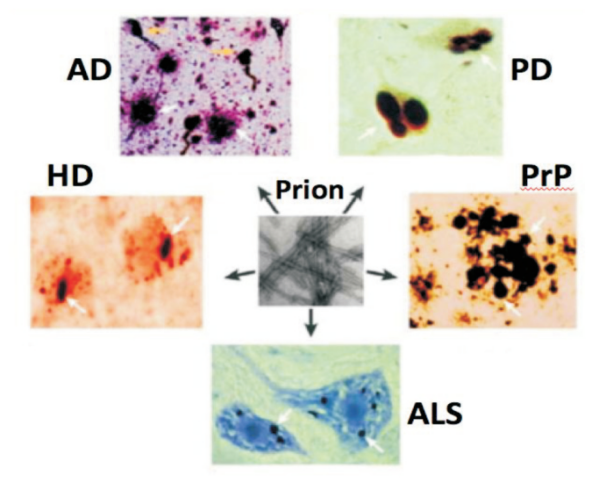
Prions, or proteins that assume self-perpetuating and highly aggregated conformations, underlie infectious neurodegenerative diseases in humans as well as a variety of neurodegenerative disorders connected with protein amyloids, examples of which include Alzheimer s disease, Huntington s disease, Parkinson s disease, and Amyotrophic Lateral Sclerosis. However, some fungal prions have been found non-toxic and beneficial. The hypothesis that prions have physiological roles is also supported by our recent work in the nervous system. However, the molecular mechanisms for regulation of these prion-like proteins is largely unknown. Knowledge of these mechanisms is essential to inform diagnosis and treatment of a number of conditions, and would also considerably promote understanding of the normal functioning of the nervous system.